-
1. Principle of easy memorization
This is the primary principle of store design. The store is easy to remember, which not only attracts consumers to shop in the store, but also reduces the time for consumers to search for secondary purchases, which is conducive to attracting repeat customers. It is also beneficial for consumers to describe during oral communication. Therefore, store design should not be too complicated, colors should be coordinated, and signage should be simple and easy to understand. This helps to quickly transmit information and deepen consumers' memory of the store.
2. Consistency principle
The style of the store, as well as the design of the inside and outside of the store, should be consistent with the store's market positioning, business philosophy, brand philosophy, and product style. The clothing of employees, the behavior of salespersons, the attitude of service, the grade of clothing, and the supporting supplies should also be able to convey the business philosophy and positioning of the store. Adhering to the principle of consistency is conducive to establishing brand image, enhancing customer trust, and attracting target customers. Meanwhile, the design of the store should be consistent with the surrounding environment.
3. Differentiation principle
For example, when designing a clothing store, it is necessary to grasp the principle of differentiation positioning, so that its store is different from other stores. Only by designing a unique image, showcasing its business characteristics, establishing a personalized style, and using distinctive props for decoration, can a store quickly recognize its business features and style among consumers. Creating a unique atmosphere and highlighting the characteristics of the products being sold is the principle when decorating them.
4. Principle of humanization
The design of the internal environment of retail stores that serve the public must adhere to the customer-centric service philosophy, strive to meet customers' various requirements, and make customers feel cared for with a humanized design. In addition, facilities that are convenient for customers to shop should be configured to create a good shopping environment and atmosphere, which can create a pleasant shopping experience for customers
5. Efficiency principle
If the internal environment of a retail store is designed scientifically, it can organize the operation and management of goods in a reasonable manner, closely coordinate the various links of import, storage, transportation, and sales, save labor time, improve work efficiency, and increase economic and social benefits.
Store design considerations
1. Pay attention to the classification pattern
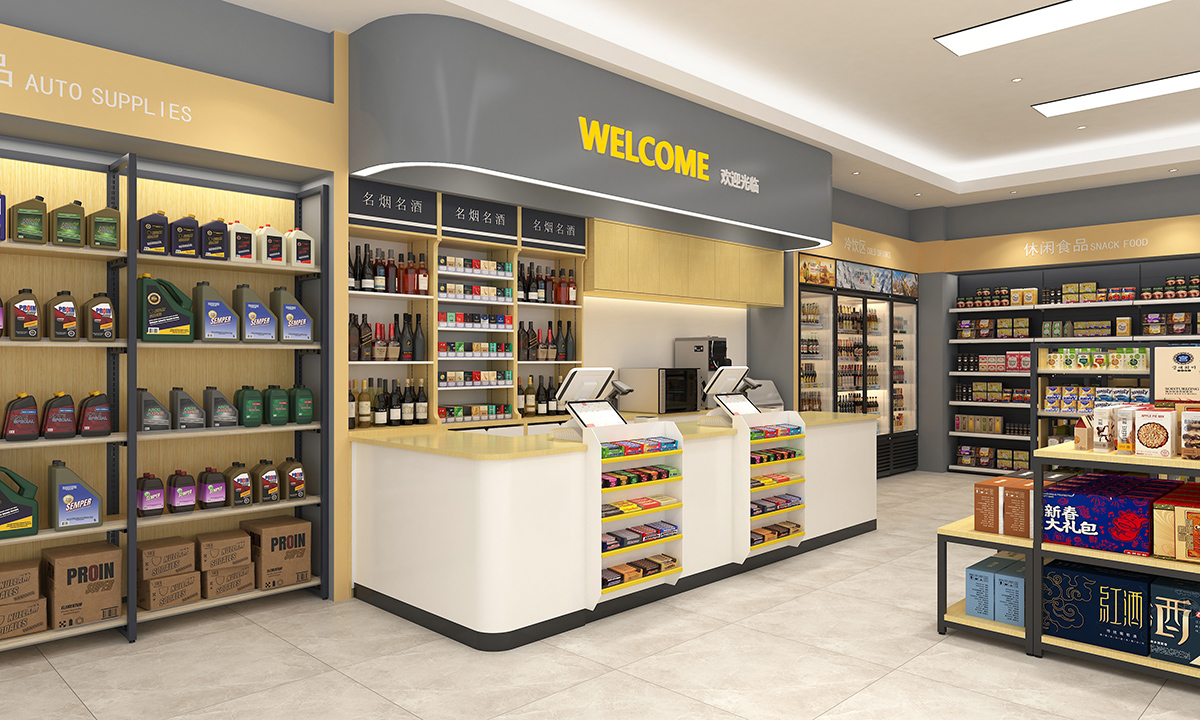
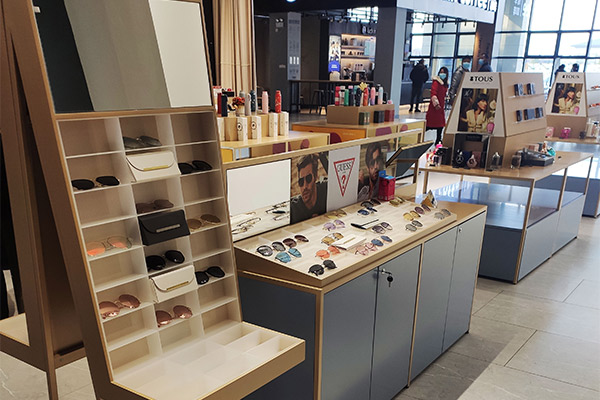
The display of product classification zones is a key aspect of the layout, and the placement and comfort level of each zone will affect customer psychology. A good layout will make customers feel comfortable and closer to the product. In the store, the product area, discussion area, and image exhibition area are well divided into different areas for layout design, making customers feel happy and promoting purchasing power.
2. Pay attention to the storefront entrance
What kind of corporate image, what products are sold in the store, and inform customers at the front door in a timely manner. The design of the storefront should focus on the color and size ratio, considering whether the color matches the requirements of the corporate brand image design, and whether the size relationship between the logo and the storefront is coordinated.
3. Facade and in store passage
By using glass doors and windows to enhance perspective, an open storefront is more likely to attract customers. The main entrance of the store should be wide rather than narrow, allowing customers to enter and clearly understand the specialty products of the store.
4. Pay attention to the scale of the display board
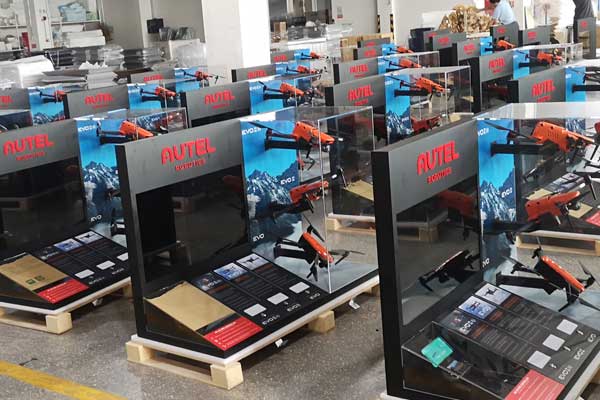
The place where the sample is displayed should try to meet the visual needs of the customer as much as possible, and not blindly pursue more samples. Except for that, the design of the display board should be matched with the height dimension to enhance the comparability of customers' appreciation of the goods.
5. Pay attention to the details of decoration construction
Without fine craftsmanship, even the best materials are useless. The hardware decoration of the store must be done according to the requirements of home decoration, allowing customers to immerse themselves and feel the exclusive style of the corporate image, while paying attention to the decoration details.
6. Pay attention to the color inside the store
If the decoration color should be coordinated with the curtains, try to choose light tones that are easy to match with the curtains, avoid overshadowing others, and personalize the color to make you stand out from other stores, making the store more prominent and eye-catching. If the main color scheme of the brand is reasonably applied in the store, it can also fully reflect the inherent quality and culture of the enterprise brand, and this design will be more practical and convenient.
7. Pay attention to the lighting
According to the principles of ergonomics, human viewing exhibits directional lighting, so the brightness and darkness of light in each area of the store should be arranged reasonably. In addition, the lighting between each area should be controlled separately as much as possible to achieve energy and cost savings, with energy-saving lamps being the main lighting fixtures.